
Secrets to Better Scent Throw in Suspension Wax Candles
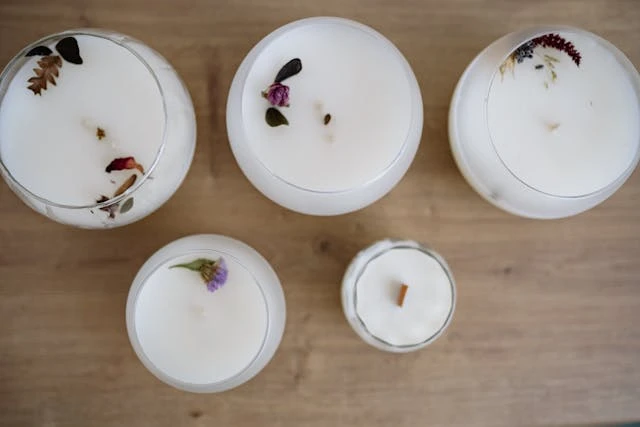
Creating candles that smell amazing both on the shelf and while burning is a goal for every candle maker. Achieving a strong, consistent scent throw can be more complex when working with Essential oil suspension wax candles, because essential oils behave differently than synthetic fragrance oils. Understanding how ingredients interact and how formulation choices affect performance can make a noticeable difference in the final result.
Also Read: Finding a Reliable Local Plumber in Esch-sur-Alzette
Understanding Scent Throw in Suspension Candles
Scent throw refers to how well a candle releases fragrance. Cold throw is the scent you notice when the candle is unlit, while hot throw is the aroma released during burning. In suspension-style candles, essential oils are distributed throughout the wax matrix rather than fully dissolved. This structure can enhance visual appeal but requires careful balance to ensure fragrance molecules are released efficiently when heat is applied.
Essential oils are volatile by nature, which means they evaporate more easily. If not properly stabilized in the wax, much of the aroma can be lost during pouring or early burn stages. That is why formulation techniques matter so much.
Choose the Right Wax Blend
Not all waxes hold essential oils equally well. Natural waxes such as soy, coconut, or apricot blends often work better for essential oil use than harder paraffin-dominant blends. These plant-based waxes have lower melting points and a more porous structure, which can help fragrance molecules travel through the wax when heated.
For Essential oil suspension wax candles, a wax that supports both suspension particles and fragrance retention is ideal. If the wax is too dense, scent release can be weak. If it is too soft, oils may migrate unevenly, affecting both appearance and performance.
Optimize Fragrance Load Carefully
More oil does not always mean a stronger scent. Essential oils have safe usage rates, and exceeding them can cause sweating, poor burn performance, or even a weaker hot throw because the wax cannot bind excess oil. A balanced load, often between six and ten percent depending on the oil and wax type, tends to give better results than pushing to the maximum.
Testing small batches is crucial. Some essential oils, like citrus or eucalyptus, are lighter and may need support from base notes such as woods or resins to improve staying power.
Control Pour Temperature
Temperature plays a huge role in scent retention. If the wax is too hot when essential oils are added, delicate aromatic compounds can flash off before the candle even sets. On the other hand, adding oils when the wax is too cool can lead to poor binding and uneven distribution.
A moderate temperature range, often slightly above the wax melting point but well below overheating levels, allows oils to incorporate without excessive evaporation. Gentle stirring helps keep the suspension even while minimizing air bubbles.
Select the Right Wick
The wick determines how hot the melt pool becomes, which directly affects scent throw. A wick that is too small may not create enough heat to release fragrance effectively. One that is too large can burn too hot, causing the scent to burn off quickly and shortening candle life.
For suspension candles, test multiple wick sizes and types. The goal is a full melt pool within a reasonable time, a steady flame, and a consistent aroma without sooting.
Cure Time Matters
Curing allows the wax and essential oils to fully bind. Many makers underestimate this step. While some candles smell good right away, Essential oil suspension wax candles often improve significantly after one to two weeks of curing. During this time, fragrance molecules distribute more evenly, leading to a stronger and more balanced hot throw.
Use Complementary Additives Thoughtfully
Some natural stabilizers or scent fixatives can help anchor volatile essential oils. Small amounts of natural resins or botanical extracts may enhance longevity and depth without overpowering the main aroma. However, additives should be tested carefully to avoid affecting burn quality.
Final Thoughts
Improving scent throw in suspension candles is a blend of science and patience. Wax selection, fragrance load, temperature control, wick choice, and curing all work together. With careful testing and small adjustments, makers can produce candles that look beautiful and deliver a satisfying, room-filling aroma.